
The Meaning of Confession
Sir Gawain and the Green KnightThis thread traces confession as the means by which Gawain moves from hidden fault toward a renewed relationship with his community.
increasing Bearing strength in each event
 decreasing
Bearing strength in each eventdecreasingThe Hidden Fault
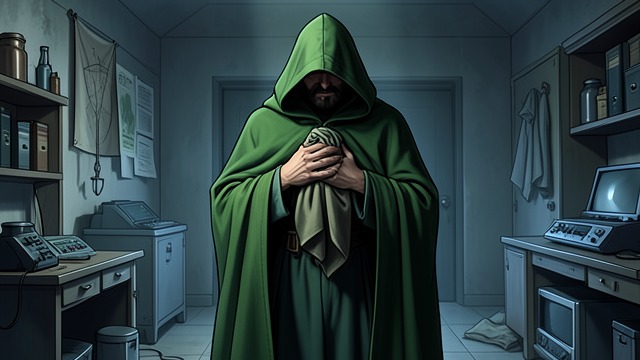
The Hidden Fault
Concealment Chosen
Gawain keeps the girdle secret while returning the three kisses. He preserves a respectable appearance by withholding the truth.
Isolation Begins
The undisclosed breach separates his inner fear from his outward courtesy.
The Host’s Revelation
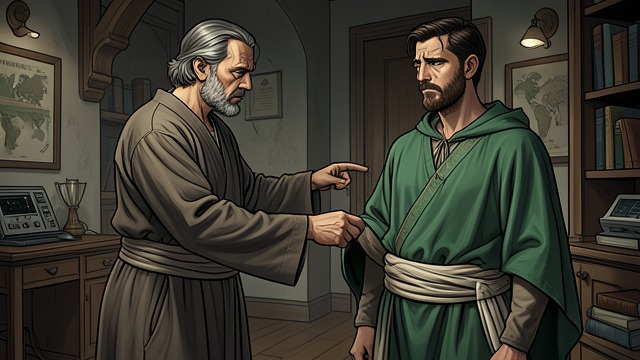
The Host’s Revelation
The Secret Exposed
Bertilak explains that he knew of the girdle and has measured Gawain’s conduct. Concealment can no longer protect his self-image.
Judgment Meets Knowledge
The revelation gives Gawain an opportunity to acknowledge the truth directly.
Confession to Bertilak

Confession to Bertilak
Fault Named
Gawain admits that fear led him to act against his own principles. He asks to be judged for the breach.
Forgiveness Offered
Bertilak considers the confession sufficient and treats the failure as human, not irredeemable.
The Account at Court

The Account at Court
No Second Concealment
Gawain tells Arthur and the knights the entire story, including his secret acceptance of the girdle. The shame is now shared openly.
Responsibility Continued
Confession does not undo the act; it changes how Gawain carries it.
Community Without Perfection
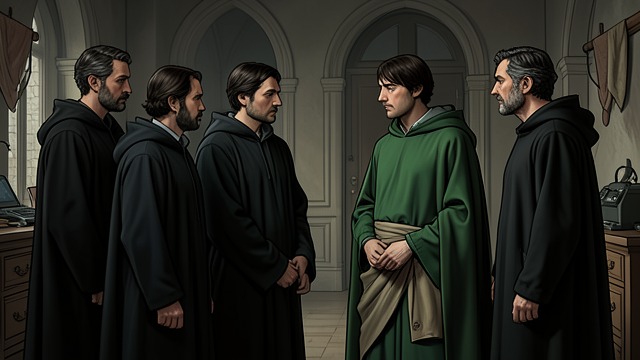
Community Without Perfection
Acceptance Through Fellowship
The knights adopt the green band, responding to Gawain’s story with solidarity. The court does not demand that he deny his fault.
A Shared Moral Memory
Confession makes the flaw a communal lesson rather than a hidden source of shame.
The third day at Bertilak’s Castle
After the axe strokes
Immediately after the chapel judgment
After Gawain returns to Camelot
At the poem’s close
